Team
Principal Investigator
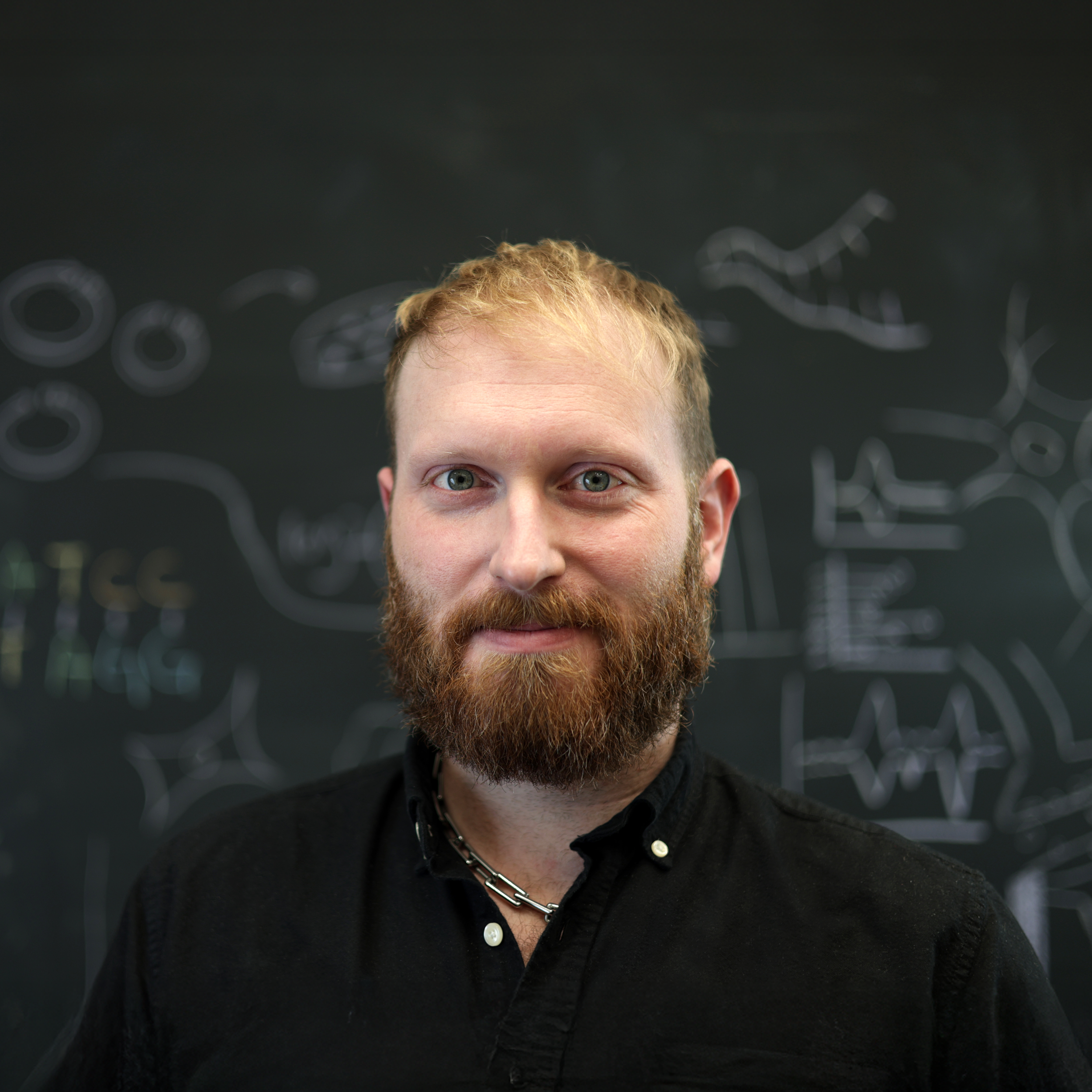
Steve Reilly
Google Scholar | ORCID | email | Bluesky-
Steve is a genomicist specializing in human genetics, evolution, and gene-regulation. He is specifically interested in furthering our understanding of non-coding variation, the main cache of human genetic diversity. He develops novel computational + experimental approaches to identify and functionally characterize human variation at scale. These tools include DeepSweep: a machine learning method to identify variants under positive selection, HCR-FlowFISH: a method to directly characterize the functional targets of regulatory elements, and application of the Massively Parallel Reporter Assay (MPRA) to understand the regulatory impact of genomic variation.
Steve completed his B.S. at Carnegie Mellon University, studying recursive splicing in the laboratory of Javier Lopez. He wouldn’t be a scientist today without the generous early mentorship and support he received from Beth Jones, the Beckman Scholars Program, and the HHMI summer researchers program. Steve completed his PhD from Yale University in the Department of Genetics. He studied the evolution of regulatory elements in the developing human cortex in the lab of James Noonan. He completed his postdoctoral work in the Sabeti lab at Harvard University and The Broad Institute. His awards include an NHGRI NIH Pathway to Independence Award (K99), an NHGRI Ruth L. Kirschstein National Research Service Award (NRSA), the Carolyn Slayman Thesis Prize, and was a Beckman Scholar awardee. Steve is passionate about making science more inclusive and improving training for students in the genomic age. Outside the lab, you can find him biking, taking an overly scientific approach to his garden, making beer, and glass blowing.
Erin Gilbertson
Postdoctoral Researcher
ORCID | Google Scholar | email-
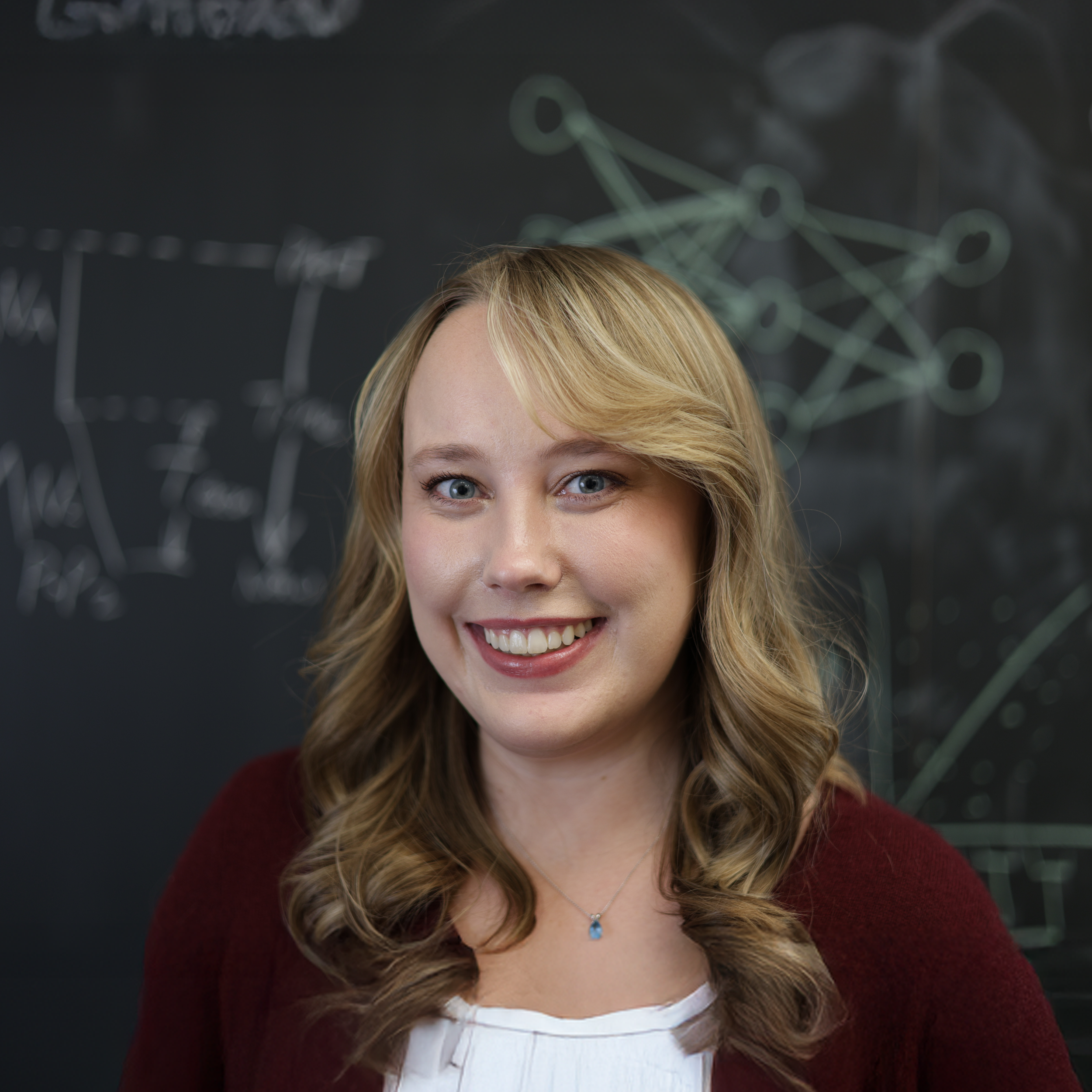
Erin is a postdoctoral researcher in the Reilly Lab starting in September 2024. She is interested in applying deep learning methods to understand the evolution of human gene regulation.
Erin completed her PhD in Biological and Medical Informatics at the University of California, San Francisco with Dr. Tony Capra, where she used machine learning to predict 3D genome contact patterns and study their variation across diverse human populations. Prior to her time at UCSF Erin worked with Dr. Suzanne McGaugh and Dr. Yaniv Brandvain during her undergraduate at the University of Minnesota where she received a B.S. in Genetics, Cell Biology and Development with a minor in Computer Science.
Outside of the lab she enjoys playing guitar, cooking and spending time outdoors (especially on the water).
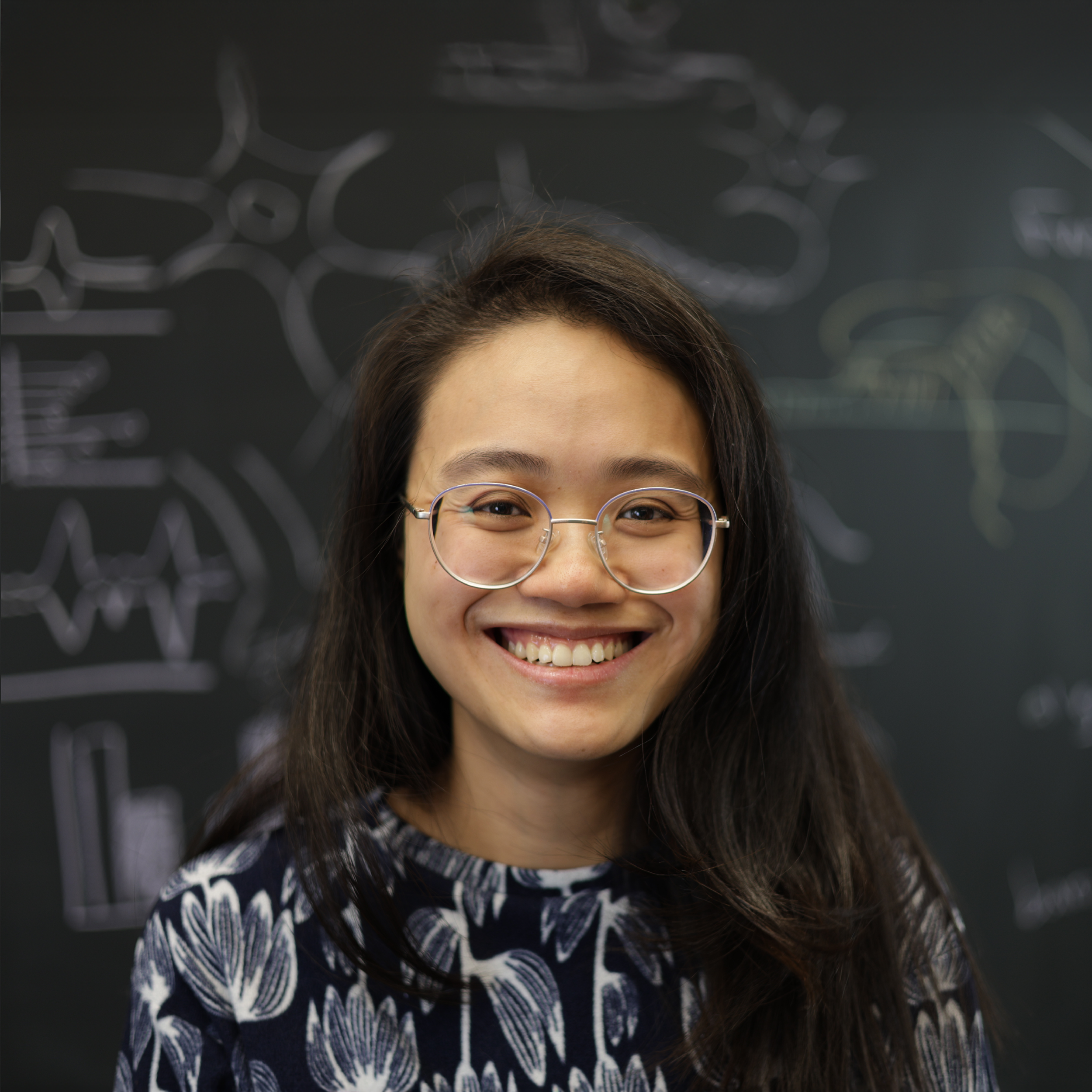
Postdoctoral Researcher
Thanh-Thanh Nguyen
-
Thanh Thanh Nguyen is a postdoctoral fellow in the Reilly and Brennand labs. She is interested in applying functional genomics to understand genetic risks underlying neuropsychiatric and neurodegenerative diseases, and the various contexts under which such risks can manifest. Thanh Thanh completed her PhD in Molecular Pharmacology at the Mayo Clinic, where she utilized a wide range of "-omic" techniques to dissect the interface between non-coding genetics and epigenetics in determining individual responses to drugs and the chemical environment. Born in Moscow, Russia and raised in Hanoi, Vietnam, she left to the U.S. to pursue further educational opportunities and intellectual freedom. Fortunate enough to have come across wise and dedicated mentors along her journey, she deeply values mentorship in academia and understands how impactful it can be.
Outside of the lab she loves cooking, baking, and spending time in nature and with family and friends. To her, every ordinary moment can turn extraordinary.
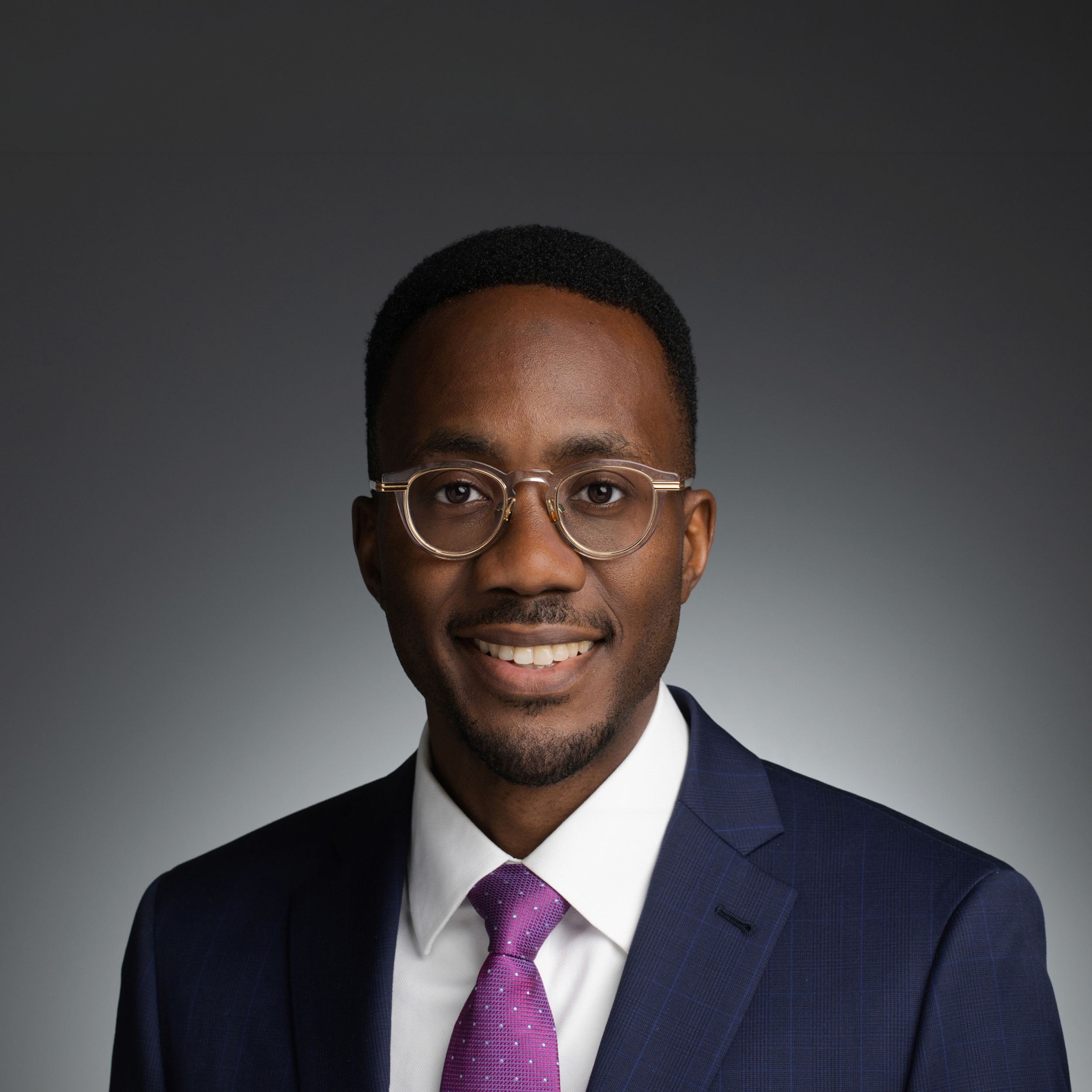
Twitter | Google Scholar | ORCID | emailPhysician-Scientist Researcher
Sope Oguntuyo
-
Kasopefoluwa (Sope) is a postdoctoral researcher in the Reilly lab and is interested in extending our understanding of the genetics of liver disease. Sope studied mycobacteriophage classification as an undergraduate at the University of Alabama at Birmingham. He then completed his MD/PhD program at Mount Sinai during which he studied the molecular determinants of viral entry and entry inhibition for emerging pathogens including Henipaviruses and SARS-Cov-2. He was a research track internal medicine resident at Mount Sinai and is now continuing his physician scientist training in Digestive Diseases at Yale. Outside of the lab, Sope enjoys staying active (running, cycling, soccer, and rock climbing), exploring coffee shops, and reading.
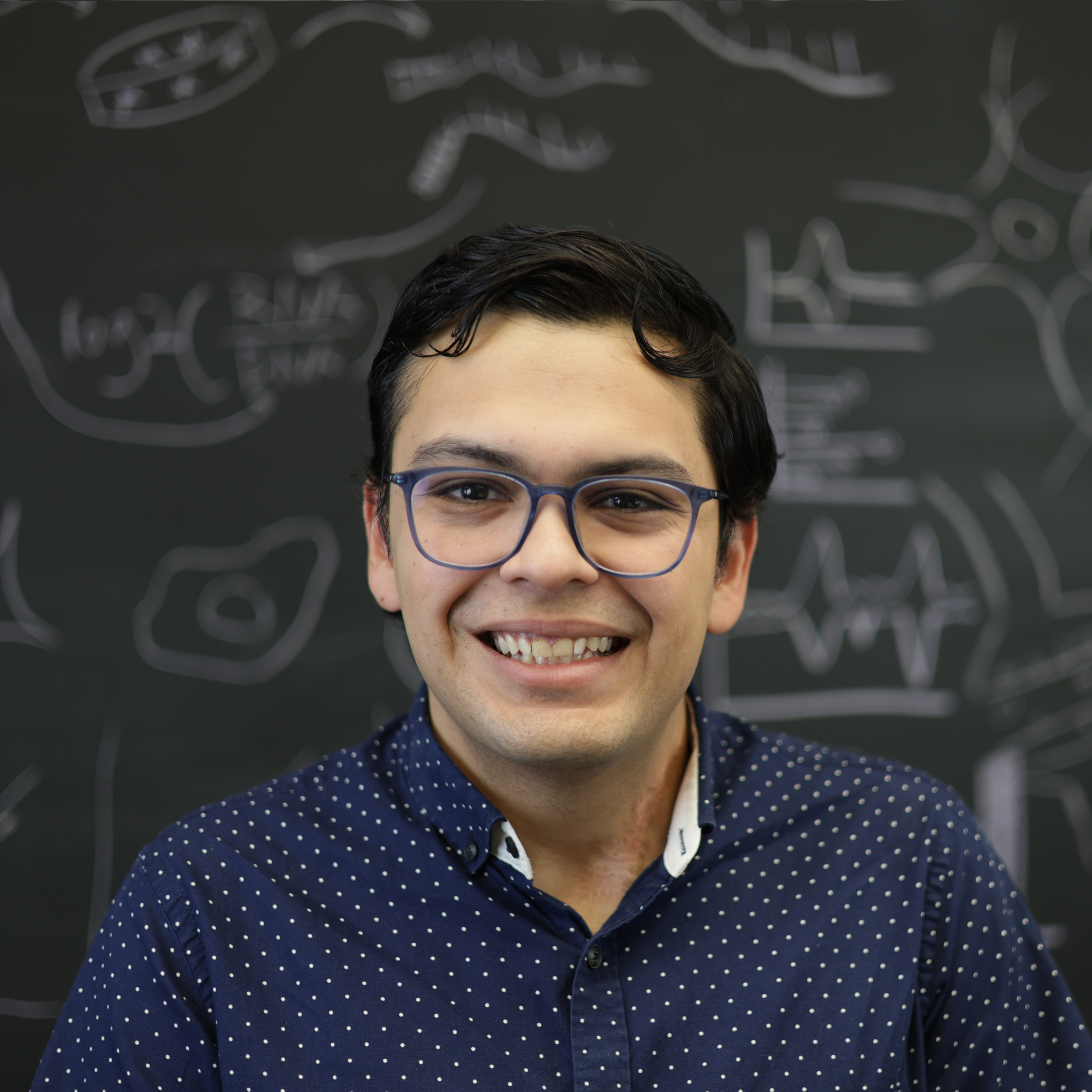
Postdoctoral Researcher
Julio Pineda
LinkedIn | ORCID | email | Google Scholar | Github-
Julio Molina Pineda is a postdoctoral researcher in the Reilly Lab starting October 2025 interested on how genetic variation and evolution shape susceptibility to degenerative diseases. Born and raised in Tegucigalpa, Honduras, Julio was awarded a Walton International Scholarship to pursue his undergraduate degree in the US. At University of the Ozarks, he double-majored in Molecular Biology and Chemistry with a minor in Mathematics. He next completed his PhD in Cell and Molecular Biology as a Doctoral Academy Fellow at University of Arkansas under Dr. Jeffrey Lewis. For his dissertation, Julio leveraged natural variation in wild yeast, genome engineering, transcriptomics, and genomics to model the genetic architecture of Parkinson's Disease susceptibility and identify novel causative variants. Alongside his research, he has a keen interest in science policy and advocates for increased awareness on the bioethical implications of modern genetic research. Outside of science, Julio enjoys playing and watching soccer, videogames of all kinds, riding his mountain bike/hiking, spending time with his pets, and pursuing the next hobby in the list.
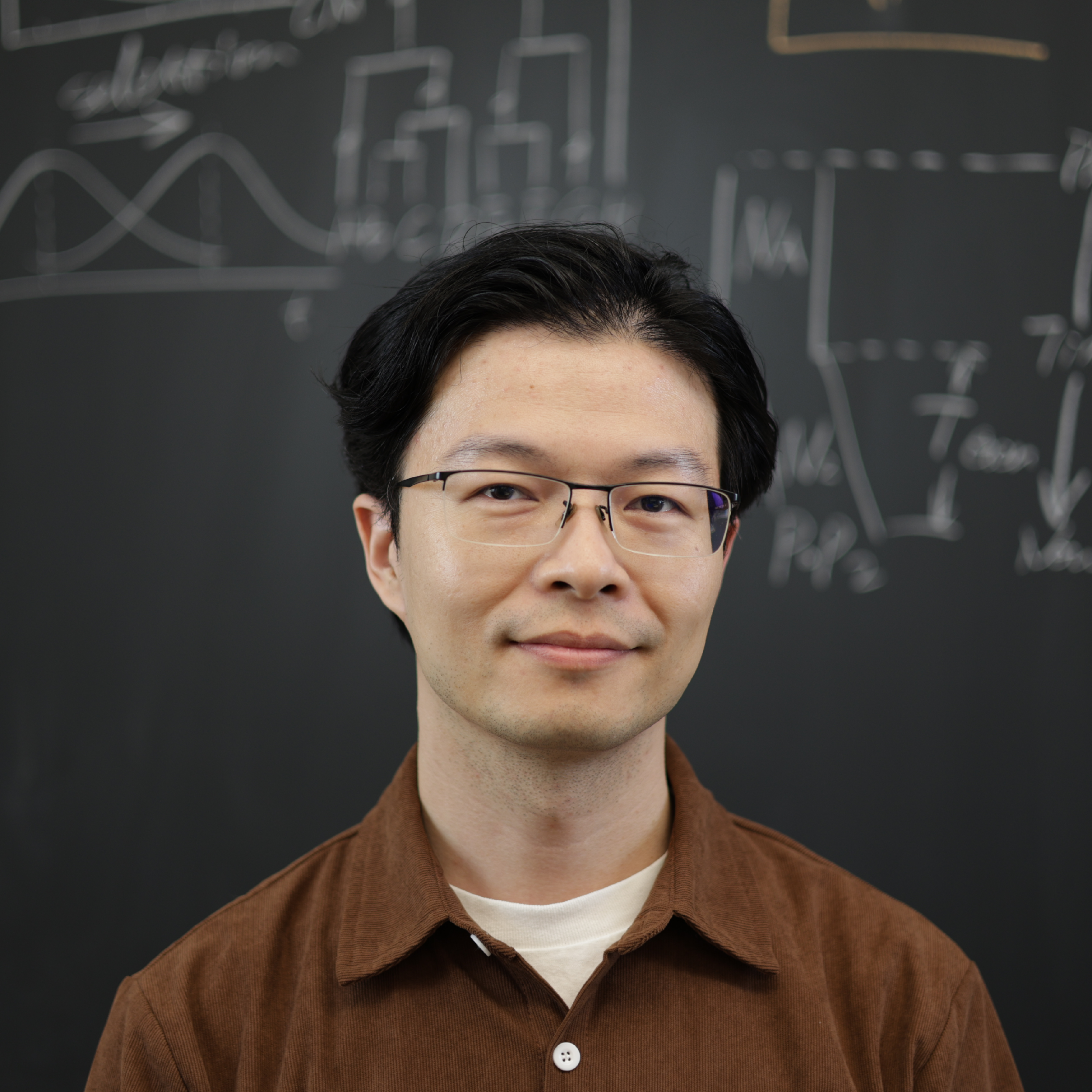
Postdoctoral Researcher
Tian Xia
-
Tian is a postdoctoral researcher in the Reilly Lab, starting July 2024. He has a diverse educational background. After obtaining his bachelor’s degree in finance, he spent several years in the real estate and infrastructure investment business. Following completion of his MBA degree with a focus on real options, he returned to academia to pursue science. Tian completed his PhD in evolutionary anthropology at the University of Tokyo, where he applied population genetics methods and conducted selection scans to investigate genetic diversity related to complex diseases such as myopia and dyslipidemia, as well as their evolutionary origins among human populations. Currently, Tian is working with the team to train new machine learning tools for identifying and detecting positive selection. Outside the lab, he enjoys playing badminton, piano, and exploring nature.
Graduate Student
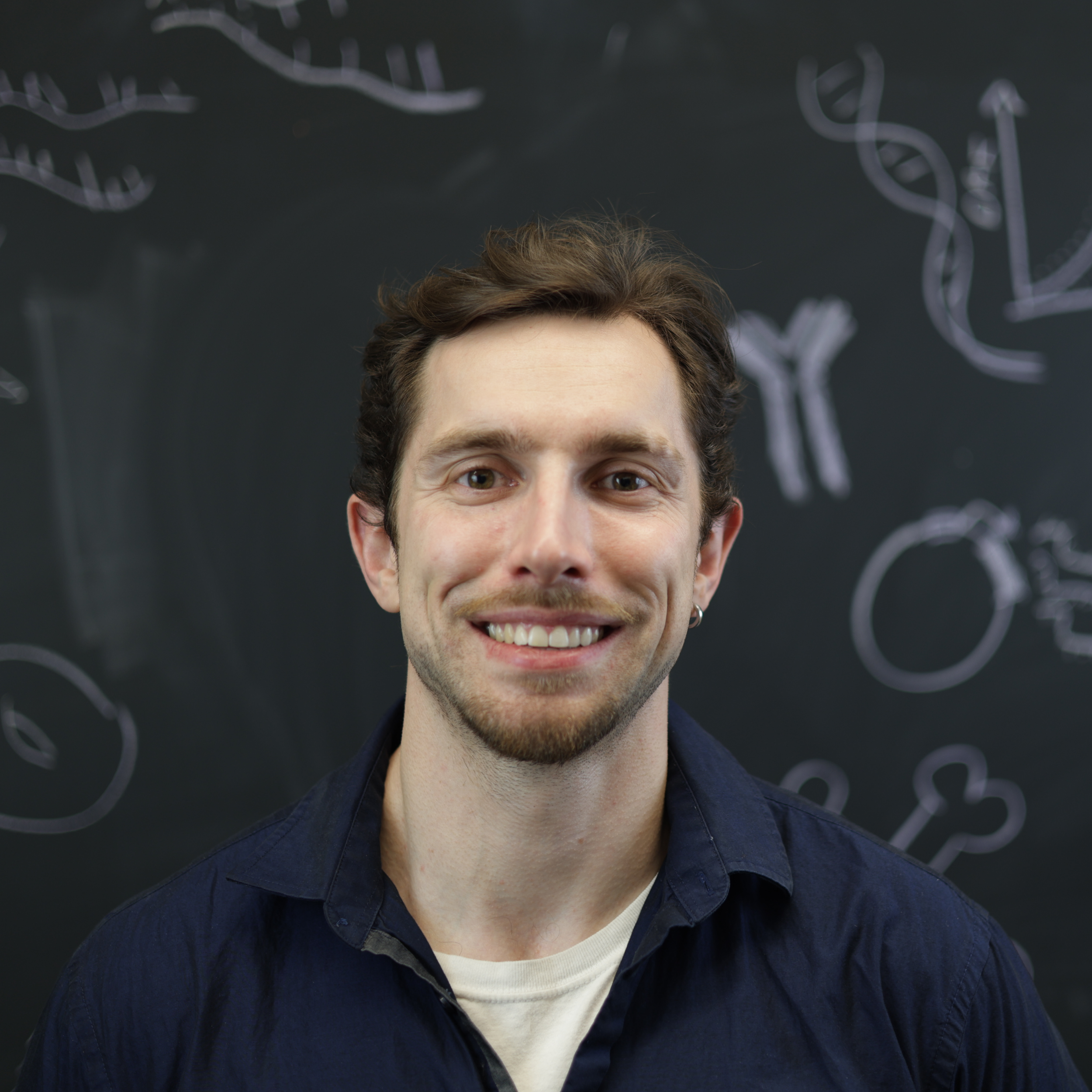
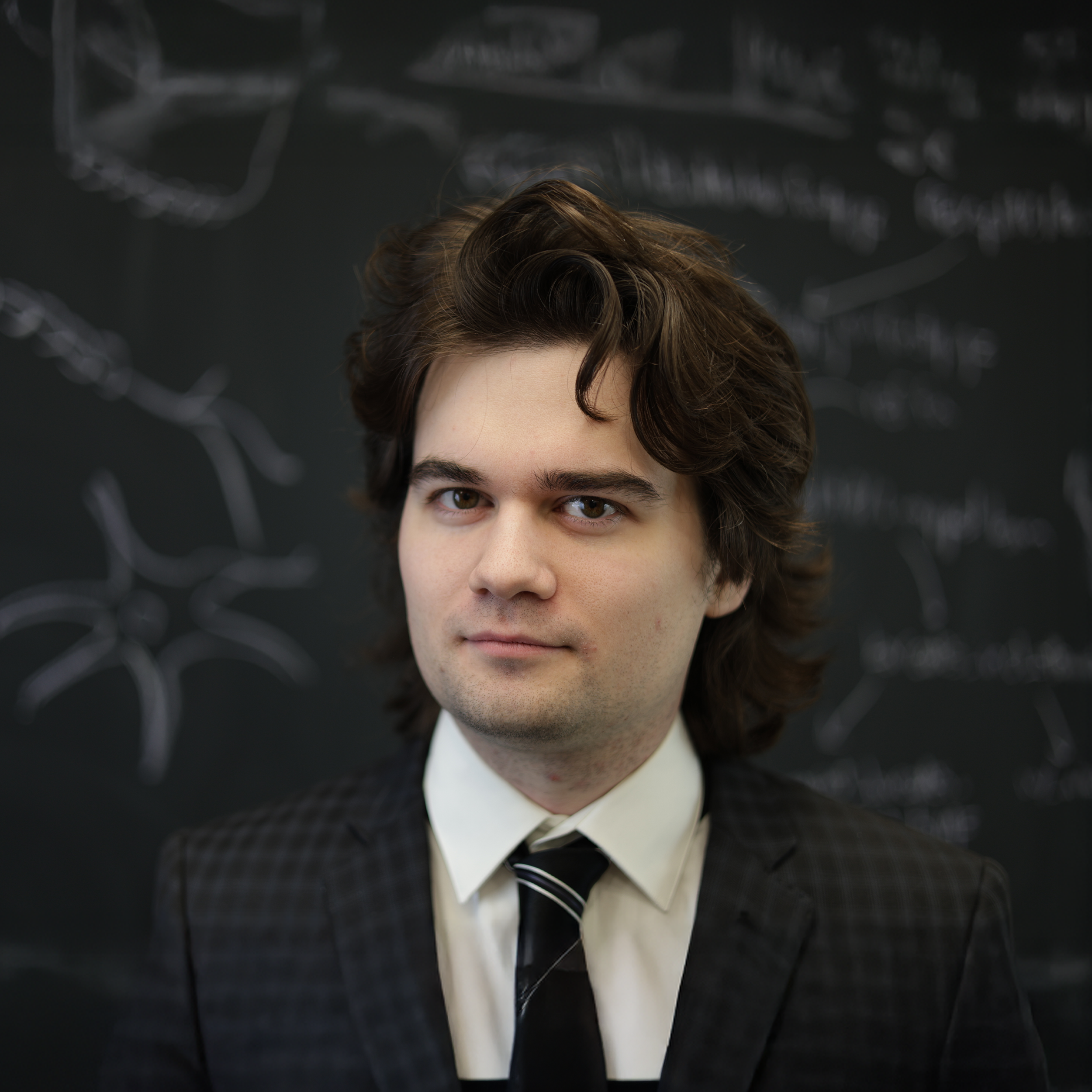
Jared Akers
-
Jared is a PhD student who joined the Reilly Lab in August, 2022. His thesis work is on understanding how recent (0-50 KYA) selection in humans contributes to population-level variance in human molecular phenotypes across diverse global populations. Another ongoing project of his is in the realm of ancient DNA from Western Eurasia within the last 15k years. In both projects he applies MPRA and CRISPR-Cas systems to functionally characterize adaptive variation residing within non-coding elements. Jared received his B.S. in Genetics from the University of Wisconsin - Madison in 2018; while a student he performed research in Dr. Qiang Chang’s Lab, and investigated the gene regulatory mechanisms underpinning folding of the developing human neocortex. Prior to transferring to UW-Madison he studied at Nicolet Area Technical College, a small community college close to his former home in Northern Wisconsin. After college graduation, Jared worked as a Laboratory Technician in Dr. Kamena Kostova’s Laboratory at the Carnegie Institution’s Department of Embryology, where he studied ribosome biogenesis. In his free time, Jared enjoys tango, salsa, and weight lifting.
Graduate Student
Mackenzie Noon
ORCID | Google Scholar | email | LinkedIn-
Mackenzie Noon grew up in Redlands, California. He split his undergraduate degree across two schools, University of California, Davis, and University of California, Berkeley, attending each for two years. At Davis, he characterized a replication-stress induced nucleophagy pathway in the lab of Professor Ken Kaplan. At Berkeley, he joined the lab of Professor Lin He, and investigated the prevalence and function of retrotransposon-derived protein isoforms in preimplantation mouse development. After receiving his degree from Berkeley, he did a post-baccalaureate fellowship with Prof. Andrew Xiao at Yale. Here, he investigated the function of Alkbh1 in mouse development and sex determination. Mackenzie hopes to contribute to the understanding of mammalian development. In the Reilly lab, he hopes to disentangle the contributions of cis-regulatory sequences to early mammalian development. Outside of the lab, Mackenzie enjoys cycling and board games.
Post-Graduate Researcher
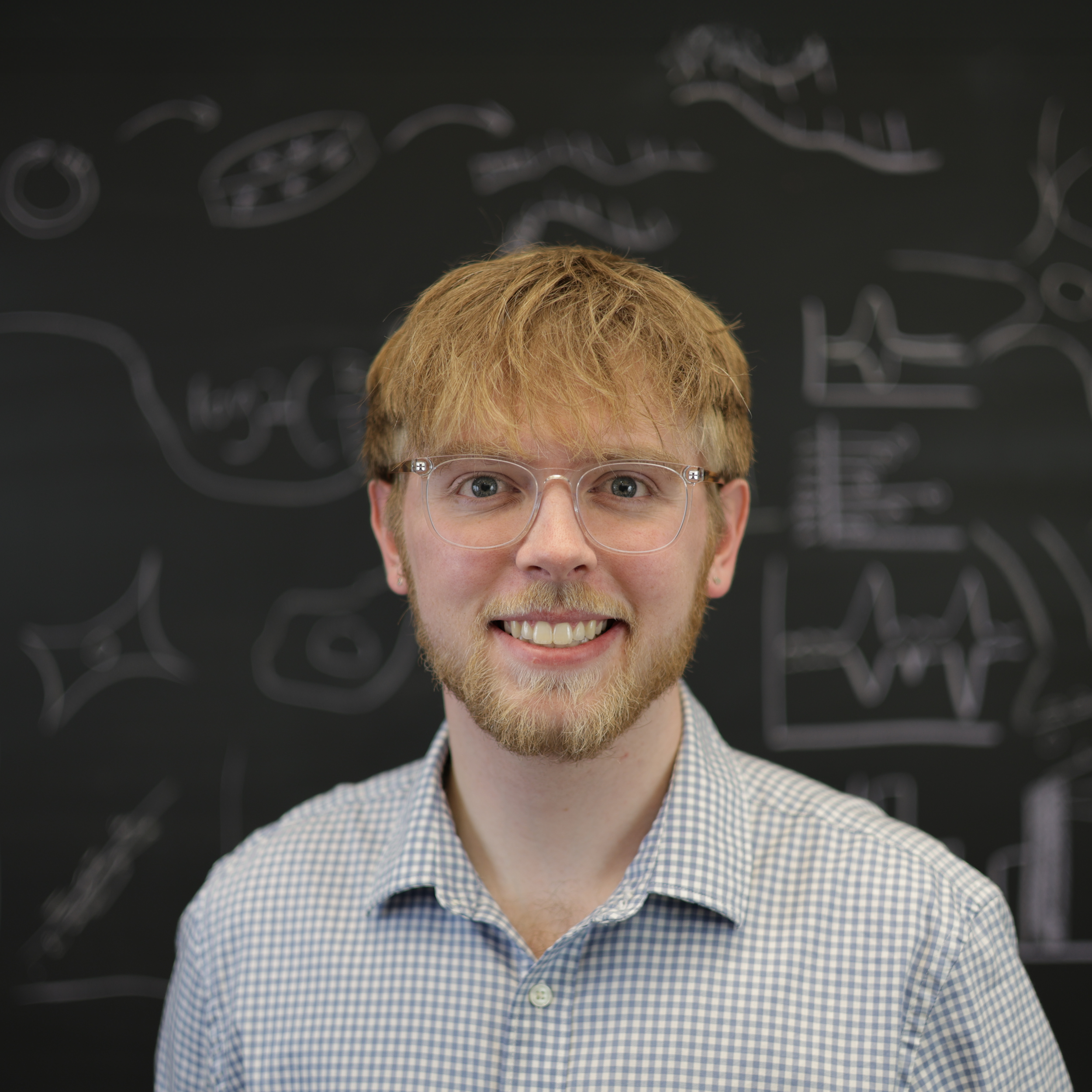
Jack Matter
-
Jack is a postgraduate associate in the Reilly Lab from Seattle, Washington. He is joining the lab after graduating from Vassar College with a BA in Biology. At Vassar, he worked with Professor Hayley Affronti investigating a novel combination chemotherapy in pancreatic cancer cell lines. He also wrote his senior thesis with Professor Justin Touchon, which assessed the effect of early-life diet change on gut microbiome composition in amphibians by analyzing gut 16S rRNA content. He is eager to continue developing his wet lab skillset in the Reilly Lab, including more advanced molecular and cell culture techniques. Outside the lab, he enjoys being outdoors, trying new foods, and reading.
Post-Graduate Researcher
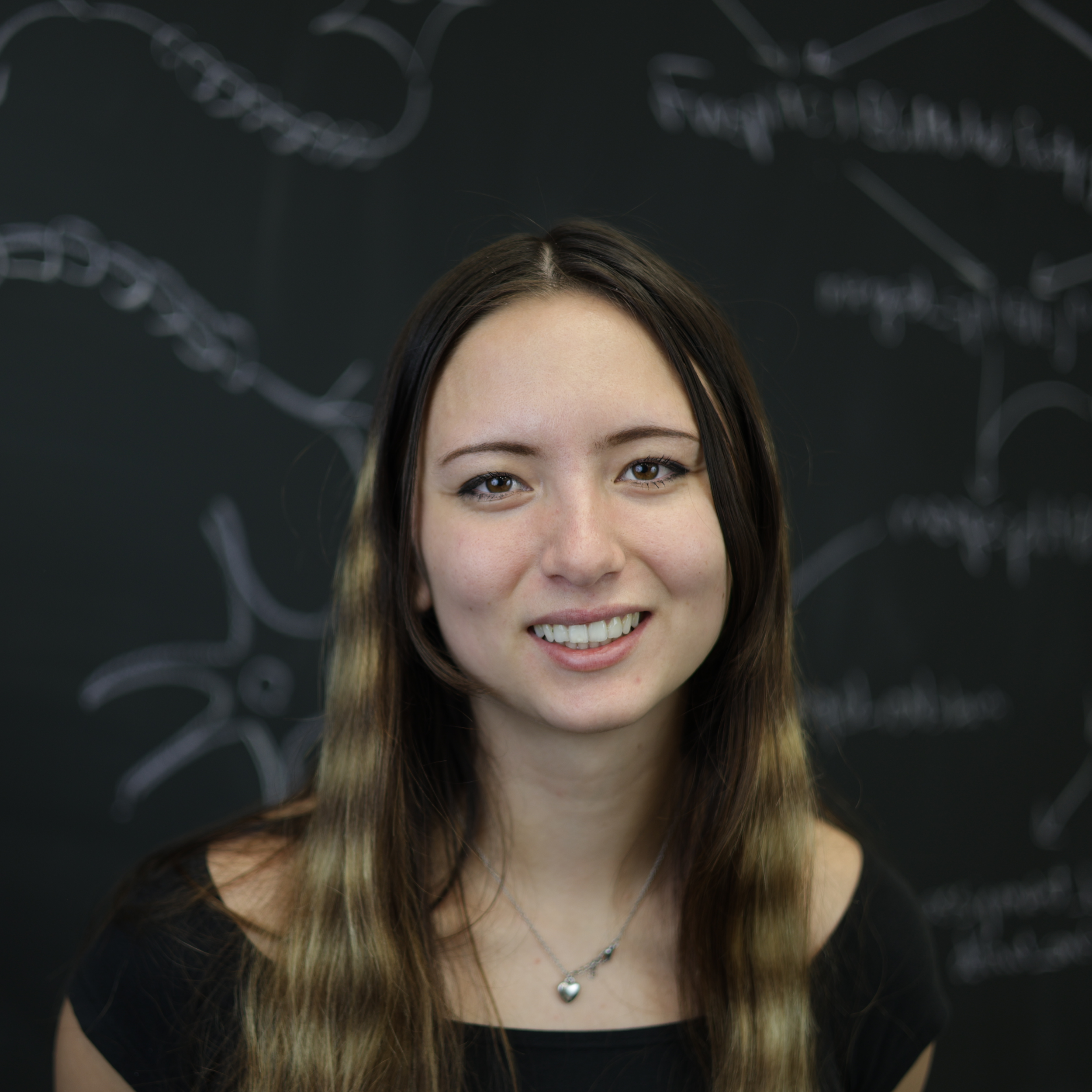
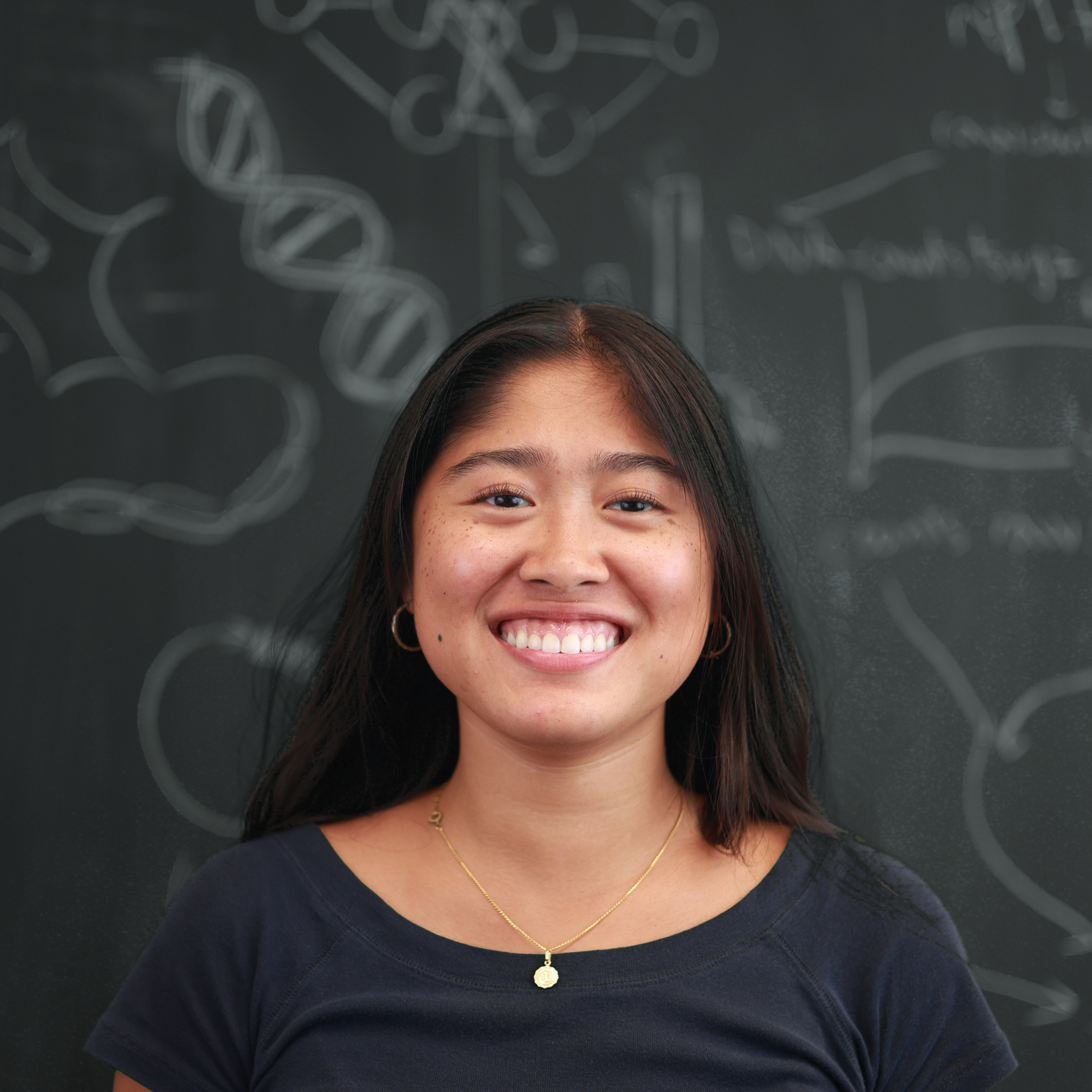
Grace Oualline
-
Grace is a postgraduate associate in the Reilly Lab from San Diego, California. She recently earned her B.S. in Biology and Computational Biology from Carnegie Mellon University. During her undergraduate studies, she worked in Dr. John Woolford’s lab on pre-ribosome biosynthesis and in Dr. Yun Yu’s lab developing a computational pipeline to identify novel mobile genetic elements without a reference database. She’s excited to continue building her computational toolkit in the Reilly Lab, utilizing code to pipeline biological discovery. Outside the lab, Grace enjoys cooking, traveling, rock climbing, and stealing her roommate’s cat.
ORCID | Google Scholar | email | LinkedIn | GithubUndergraduate Researcher
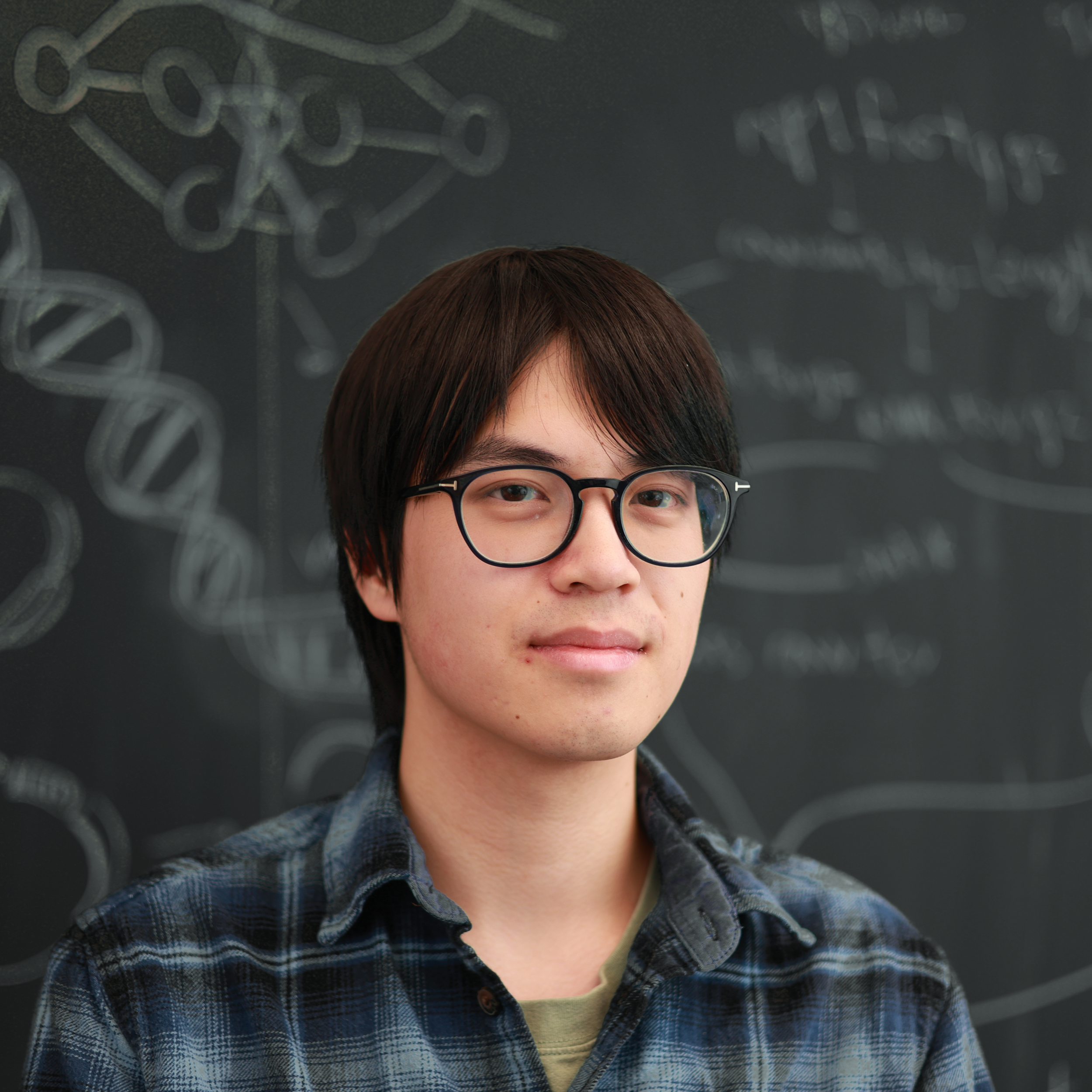
Anabelle Concepcion
-
Anabelle is a first-year undergrad student from Seattle, Washington. She is studying Molecular Biophysics and Biochemistry at Yale and also looking to double major in Mathematics. Under the supervision of Mackenzie Noon, she is currently helping to develop a method of performing single-cell MPRA in hopes of investigating the activity of non-coding cis-regulatory elements in various cell types. Outside the lab, she enjoys playing tennis, making ceramics in the Davenport pottery studio, cooking, and running.
Undergraduate Researcher
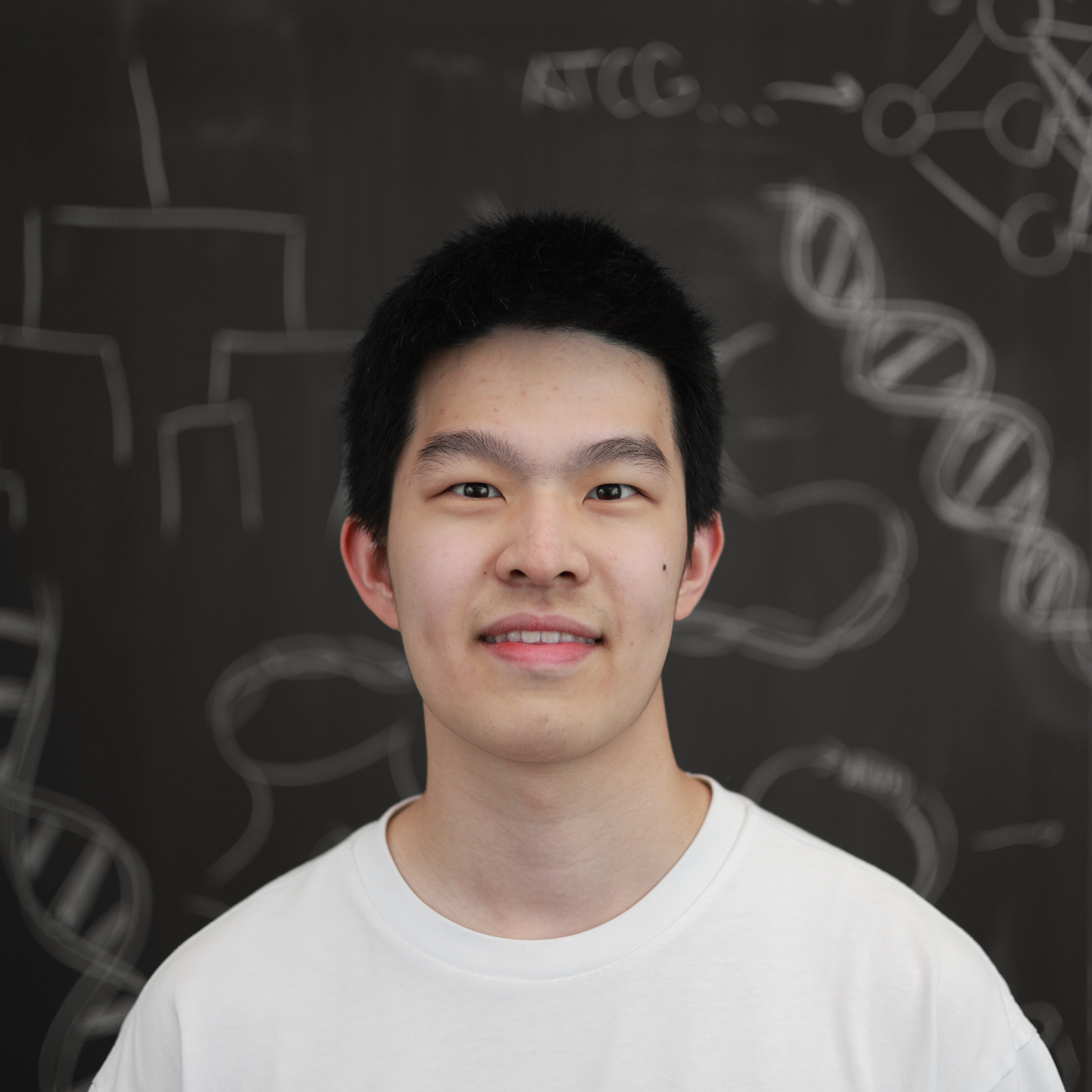
Arden Ma
-
Arden is a first-year undergraduate student from San Francisco, California. He plans to study Molecular Biophysics and Biochemistry along with Computer Science at Yale. Under the supervision of Jack Matter and Grace Oualline at the Reilly lab, he is currently helping with the development of synthetic cis-regulatory elements to drive cell type-specific expression. Outside of lab, he enjoys reading and eating a lot of food.
Undergraduate Researcher
Corin Wang
-
Corin is a first-year undergraduate researcher at the Reilly lab from Beijing, China. He plans to pursue a bachelor's degree at Yale in Molecular Biophysics and Biochemistry, and is broadly interested in computer science and economics. In the lab, he works under the supervision of Erin Gilbertson and works to identify the regulatory elements in the human genome that contribute to the evolution of lifespan. His current project is to apply an existing analytical framework to recently generated datasets. Outside the lab, he enjoys singing in the Yale Glee Club, playing badminton, and building a Minecraft modding tool.
High School Researcher
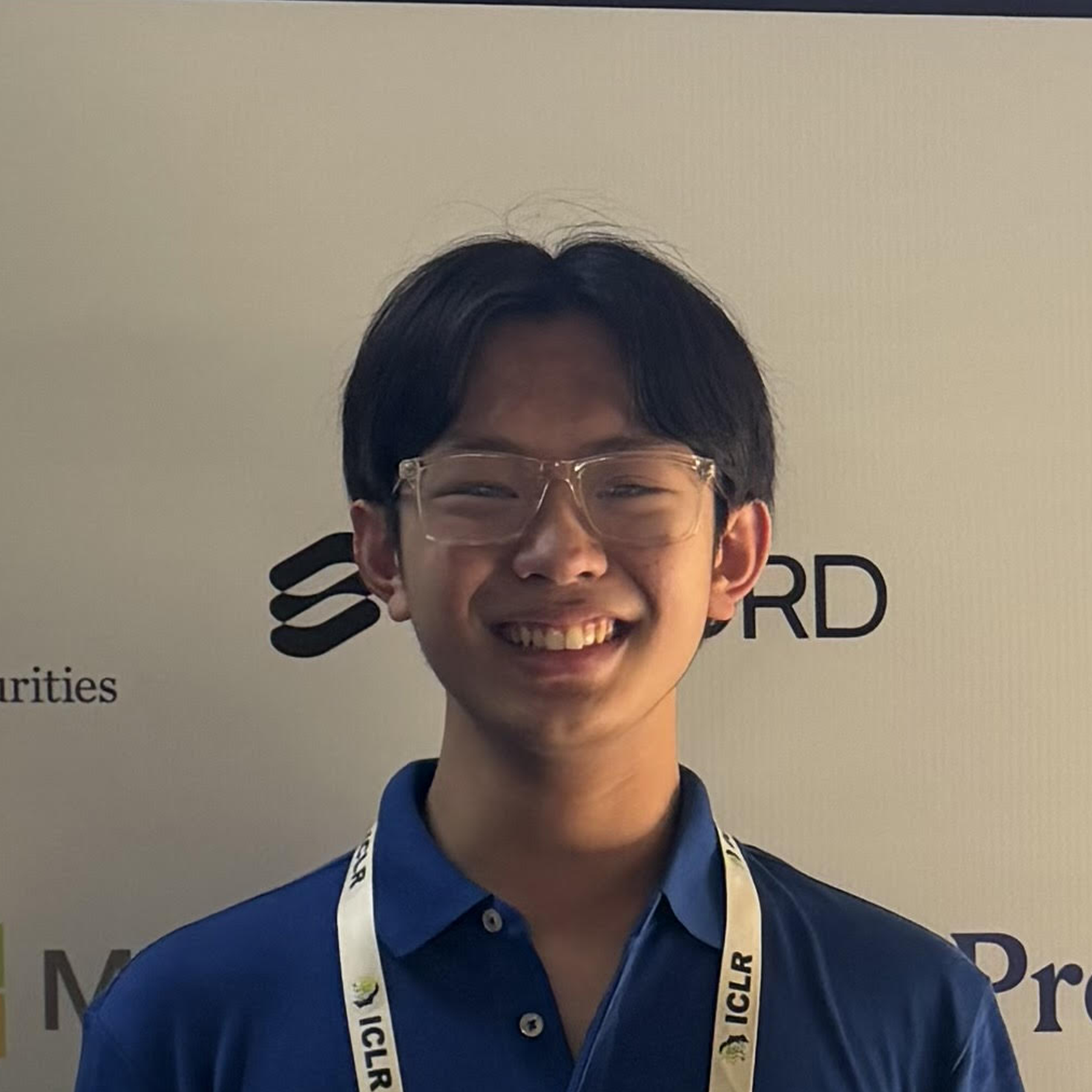
Bryan Cheng
-
Bryan Cheng is a current junior at Great Neck South High School and lives on Long Island, New York. His research interests lie at the intersection of biology+deep learning and is currently especially interested in foundational models, synthetic CRE design, mechanisms underlying model functionality, and AI-assisted research. He did research at Cold Spring Harbor last year with a focus on in-silico design of synthetic CREs utilizing biophysically-informed S2E oracles. In his free time he likes to go out to eat with friends, run, swim, and play video games.
Isabel Goronzy
Physician-Scientist Researcher
ORCID | Google Scholar | email-
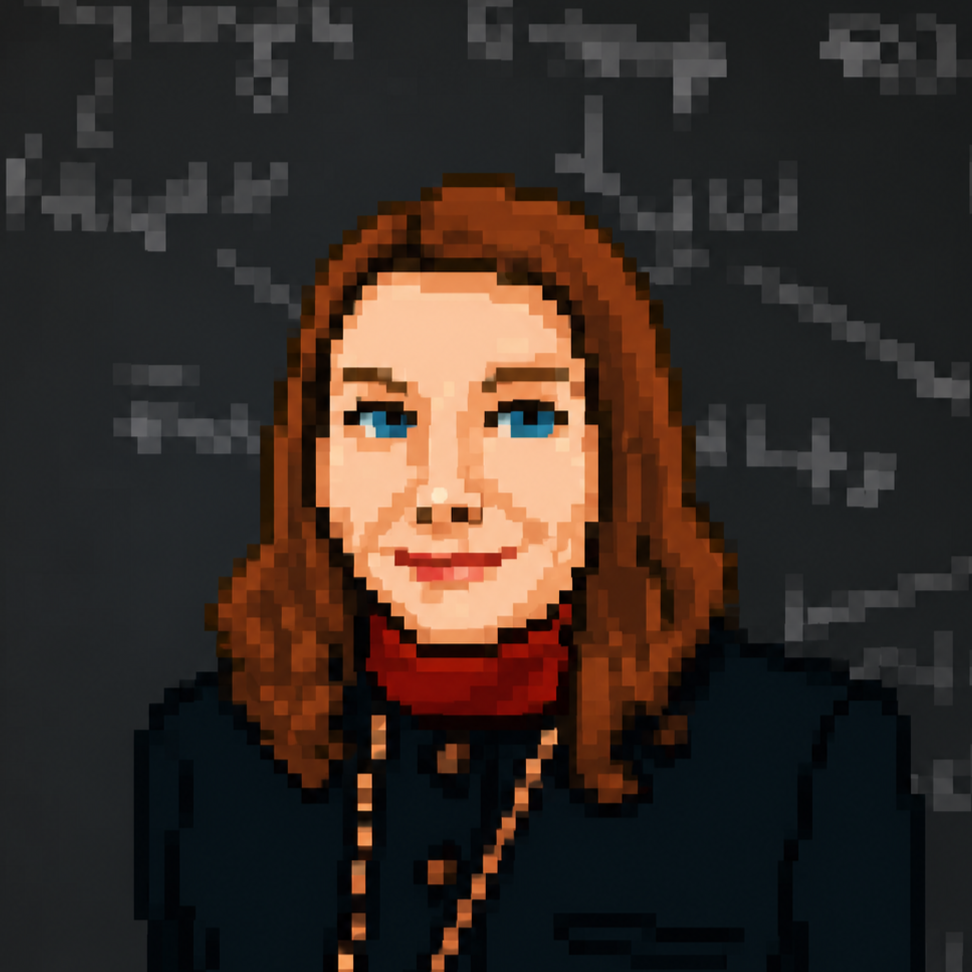
Isabel is a physician-scientist in the Reilly Lab whose research integrates 3D genome organization, epigenomic regulation, and machine learning–based interpretation of noncoding variants to uncover the mechanisms underlying human disease. As a clinician, she brings a translational perspective to the lab’s work, connecting computational and mechanistic discoveries to their potential impact on patient care. She is a dedicated, compassionate, and forward-thinking physician who believes that the most meaningful advances in medicine arise from bridging bedside observations with bench-side discovery. Isabel completed her MD/PhD through the UCLA–Caltech Medical Scientist Training Program, earning her PhD in Biochemistry and Molecular Biophysics in the laboratory of Mitchell Guttman at Caltech. There, she investigated the interplay between transcription and 3D genome architecture and contributed to the development of ChIP-DIP and SPIDR, multiplexed technologies that enable the mapping of hundreds of protein interactions with DNA and RNA. She is now continuing her physician-scientist training at Yale, where she is completing a residency in Internal Medicine followed by a fellowship in Medical Oncology–Hematology. In the Reilly Lab, Isabel applies machine learning approaches to dissect the epistatic effects of noncoding variants (co-mentored by Stephanie Halene, MD, PhD) and to identify pathogenic noncoding variants in patients with cholestatic liver disease (co-mentored by Silvia Vilarinho, MD, PhD). Through these efforts, she aims to advance the understanding of how noncoding genetic variation contributes to human disease and to improve the diagnosis and treatment of patients. Outside of her research and clinical training, Isabel co-leads Yale’s AI and Innovation in Medicine Distinction Pathway, helping to foster the next generation of physicians at the intersection of medicine, data science, and technology.
You?
We’re always looking for inquisitive, creative, and passionate researchers (post-docs, graduate students, RAs, undergrads) to join our team. Diversity of backgrounds (scientific, academic, personal, etc), are always valued in our collaborative team.
Collaborators
Finucane Lab
Sabeti Lab
Tewhey Lab
Funding


NIH/NHGRI Pathway to Independence, K99/R00 (HG010669)
Ruth L. Kirschstein Postdoctoral Individual National Research Service Award (HG009226)